
When Dry Eye Needs More Than Drops: Amniotic Membranes in Cincinnati
When Dry Eye Needs More Than Drops: Amniotic Membranes in Cincinnati
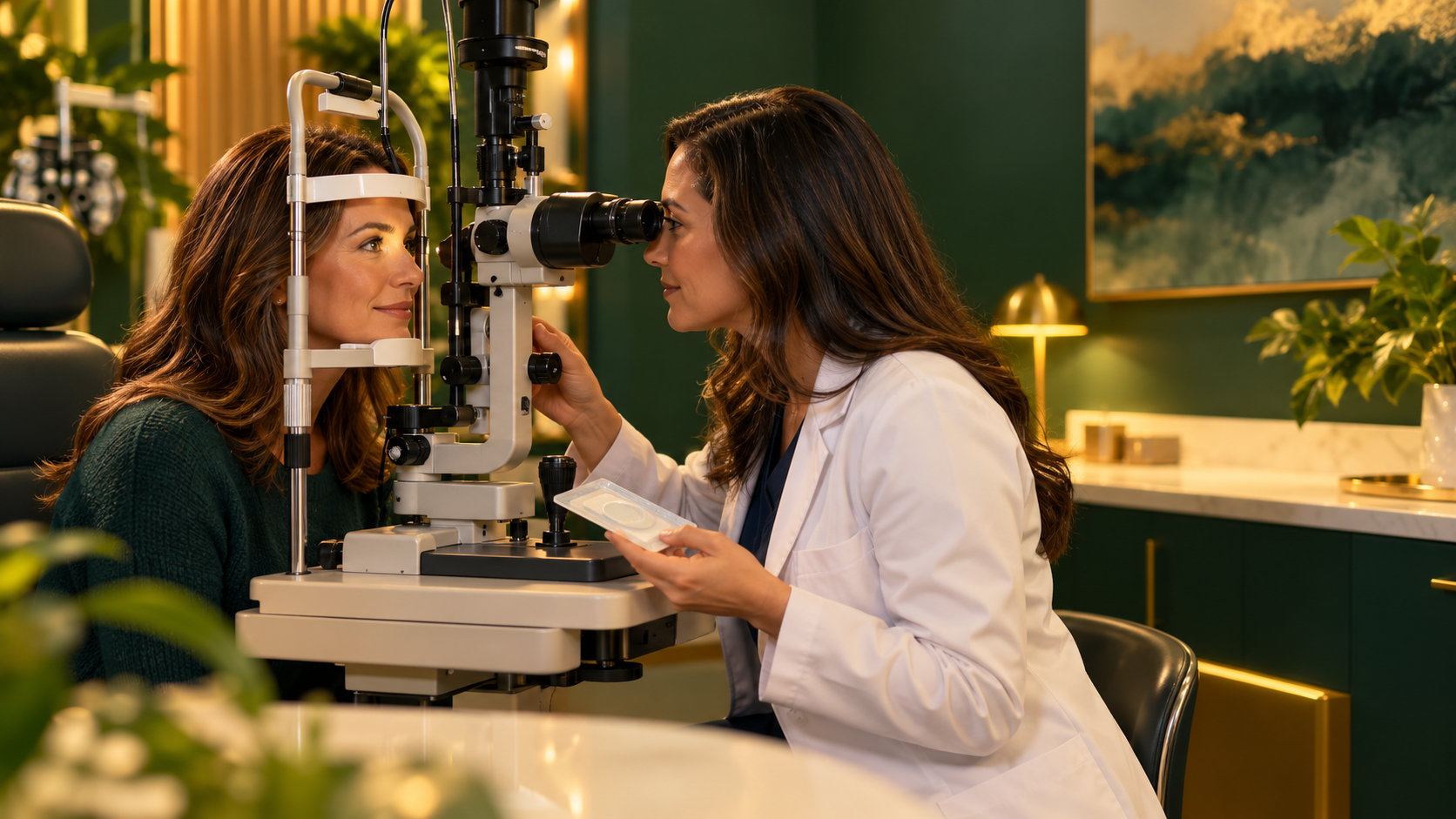
Most dry-eye care begins with identifying the cause and improving the tear environment. But sometimes the corneal surface remains significantly inflamed, damaged or slow to heal despite appropriate treatment. In selected cases, a therapeutic amniotic membrane may provide a temporary protective environment that supports ocular-surface recovery.
An amniotic membrane for severe dry eye in Cincinnati is not an over-the-counter product and it is not right for every dry-eye patient. It is placed by an eye-care professional after an examination and used for a defined clinical purpose.
What Is a Therapeutic Amniotic Membrane?
Amniotic tissue contains a basement-membrane structure and biologic components used in ophthalmic care to support epithelial healing and control inflammation. A peer-reviewed review of amniotic membrane applications describes its use across selected corneal and ocular-surface disorders.
Some devices are held on the eye by a small ring, similar in concept to a medical bandage. The PROKERA professional information describes a cryopreserved amniotic membrane cleared for ophthalmic use. Product selection and duration depend on the findings and patient tolerance.
When Might It Be Considered?
After an ocular-surface examination, an amniotic membrane may be considered for selected cases involving:
- severe keratitis or significant surface inflammation;
- persistent epithelial defects;
- neurotrophic corneal disease;
- selected chemical or traumatic surface injuries;
- recurrent corneal erosion; or
- severe dry eye that has not responded adequately to an appropriate plan.
A clinical study of self-retained cryopreserved amniotic membrane in dry eye reported improvement in selected patients, while a larger retrospective dry-eye study evaluated symptom and corneal findings after treatment. These studies support clinical use in appropriately selected cases, but they do not mean every person with burning or fluctuating vision needs a membrane.
What Happens During Treatment?
Dr. Baik first evaluates the cornea, eyelids, tear film and severity of surface damage through an advanced dry-eye evaluation. If a membrane is appropriate, it is placed in the office. Vision may be blurred while the device is present, and the eye can feel aware of the ring or membrane.
Follow-up matters. The doctor checks healing, removes the device when indicated and adjusts the longer-term plan. Research on cryopreserved amniotic membrane outcomes supports its role as a short-term intervention within broader management—not a permanent cure for the factors causing dry eye.
It Does Not Replace a Long-Term Dry-Eye Plan
Once the surface stabilizes, patients may still need individualized care for meibomian-gland dysfunction, inflammation, exposure, medication effects, eyelid disease or environmental triggers. The goal is to protect the recovery and reduce recurrence.
See Well Eyecare’s amniotic-membrane service is one option within a broader medical eye-care pathway. Dr. Baik may recommend other treatment, referral or urgent hospital care instead when that is safer.
Chemical Exposure Is an Emergency, Not a DIY Use Case
If a chemical enters the eye, start rinsing immediately with clean running water, saline or eyewash. Do not wait to locate a special product and never try to neutralize one chemical with another. Our guide to chemical eye emergencies in Cincinnati explains the immediate steps.
An amniotic membrane may be considered later for selected injuries after irrigation and examination. It is never a substitute for immediate rinsing or emergency evaluation.
Explore Hyde Park & Nearby Neighborhoods
See Well Eyecare provides advanced dry-eye and ocular-surface care in Hyde Park (45208), close to Oakley (45209), Mount Lookout and Columbia-Tusculum. Local follow-up is especially useful when a temporary therapeutic device requires timely checks.
Local Events & Attractions | Bonsai Demonstration on October 21
The Cincinnati Parks events calendar lists a bonsai demonstration on October 21. If dry-eye pain or light sensitivity is keeping you from ordinary activities, the right next step is an examination—not adding product after product without knowing what the corneal surface needs.
Frequently Asked Questions
Is an amniotic membrane the same as a contact lens?
No. It is a therapeutic biologic tissue used for a medical indication. Some devices use a ring to hold the membrane on the eye temporarily.
Does placement hurt?
The eye is numbed for placement. Awareness, foreign-body sensation and blurred vision can occur while the device is present. The doctor reviews what to expect and when to call.
How long does it stay in?
Duration varies with the device and clinical response. Follow the individualized removal and follow-up plan rather than a general internet timeline.
Will it cure dry eye permanently?
No treatment can promise that. A membrane may support surface healing, while the underlying contributors still need ongoing management.
Is it used for every corneal abrasion or chemical injury?
No. The doctor chooses treatment based on depth, location, cause, infection risk and healing pattern. Some injuries require emergency or specialist care.
Ask Whether Advanced Surface Care Is Appropriate
If persistent pain, light sensitivity or blur continues despite a well-followed dry-eye plan, request an appointment. Dr. Baik can examine the surface and explain whether an amniotic membrane, another office treatment or referral best fits the findings.
About See Well Eyecare
See Well Eyecare is an independent Hyde Park practice led by Dr. Rawzi Baik. We provide comprehensive and medical eye care, advanced dry-eye evaluation and specialty services with clear education, appropriate follow-up and referral when a condition requires a different level of care.
Primary keyword: amniotic membrane severe dry eye Cincinnati
Supporting keywords: advanced dry eye treatment Cincinnati, corneal healing Hyde Park, PROKERA Cincinnati, ocular surface treatment, severe dry eye Oakley
Quick Links
Helpful Articles

All Eye Care Services
Eye care for every stage of life, from routine exams and contact lens fittings to dry eye care, myopia management and medical eye visits. Dr. Baik helps you understand your options and choose care that fits your needs.

Keep In Touch
For non-urgent questions or to learn more about our services, contact us today!

We are an LGBTQ+ friendly clinic that believes all people deserve quality eye care
- 3330 Erie Avenue, Suite 14
Cincinnati, OH 45208 - Phone: (513) 268-8748
- Fax: (513) 268-8758
- Monday 9:00am - 3:00pm
- Tuesday 8:00am - 7:00pm
- Wednesday Closed
- Thursday 8:00am - 5:00pm
- Friday 8:00am - 3:00pm
- Saturday 9:00am - 2:00pm
- Sunday Closed
- Monday
- Tuesday
- Wednesday
- Thursday
- Friday
- Saturday
- Sunday
- Monday
- Tuesday
- Wednesday
- Thursday
- Friday
- Saturday
- Sunday
© 2026 See Well Eyecare. All rights Reserved - Accessibility Statement - Privacy Policy - Terms & Conditions - Sitemap
Managed and Designed by 