
Searching for the Best Eye Exam in Cincinnati? Here’s What a Thorough Visit Should Include
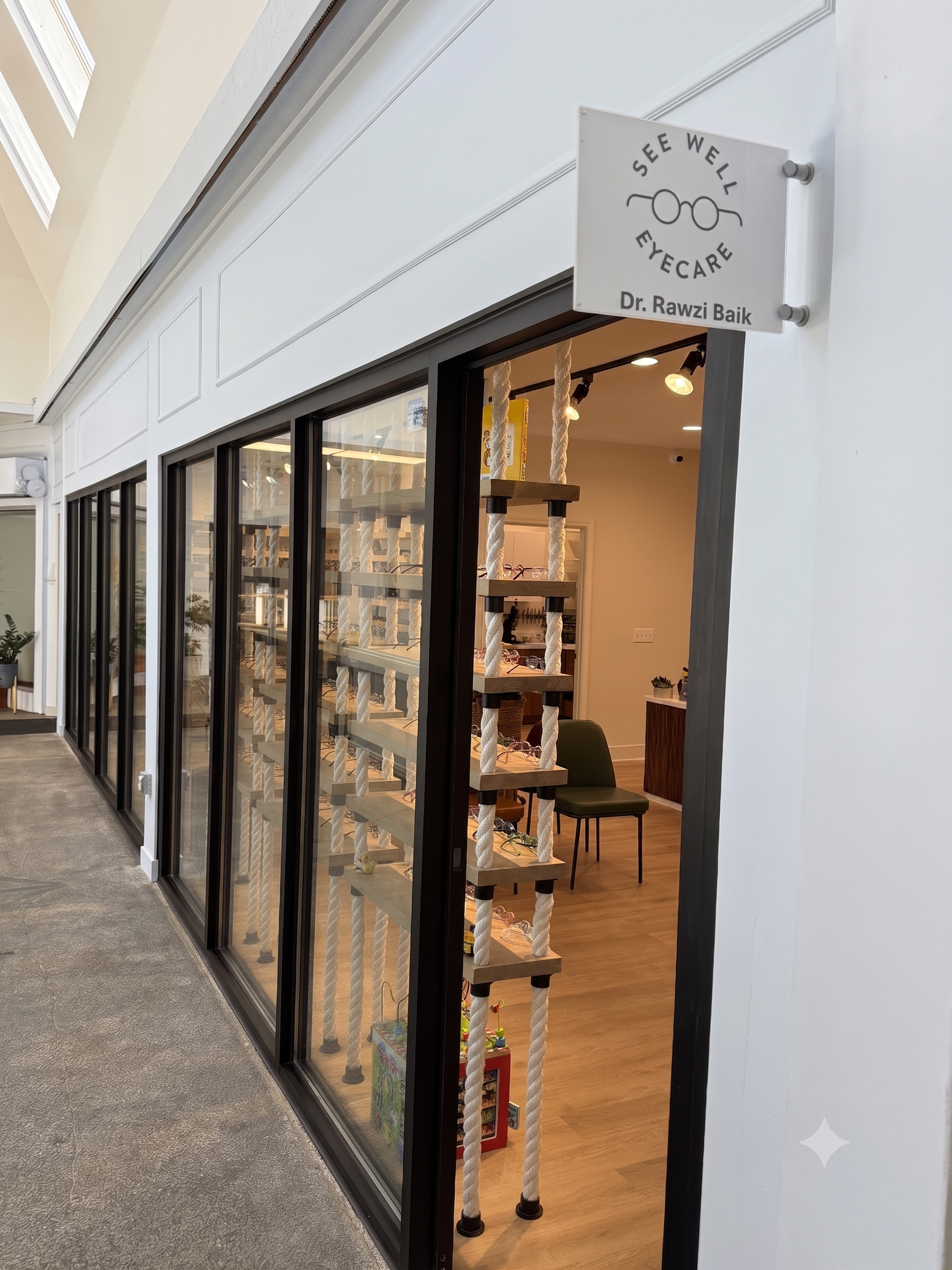
Searching for the Best Eye Exam in Cincinnati? Here’s What a Thorough Visit Should Include
When people search for the “best eye doctor near me,” they are usually not looking for a trophy or a catchy claim. They want an eye doctor who listens, checks more than the prescription, explains the findings and gives them a clear plan.
That is what a thorough comprehensive eye exam should provide.
At See Well Eyecare, our professional team combines careful examination, modern technology and personal attention. We welcome patients using eligible vision benefits, and private-pay patients are equally welcome. Patients paying directly can select services à la carte or ask whether an optional Direct Vision Care plan fits their routine eye-care needs.
If you live or work near Hyde Park, Oakley, Mount Lookout, Mariemont or another Cincinnati neighborhood, here is a practical checklist for deciding whether an annual eye exam is worth your time.
Quick answer: What makes a good annual eye exam?
A good eye exam should answer four questions:
How clearly and comfortably are you seeing?
Are your eyes working together as they should?
Do the visible and internal structures of your eyes look healthy?
What should you do next—and why?
The updated adult eye-examination guidance discussed by the American Optometric Association supports regular comprehensive care and emphasizes that individual risk factors matter. Your recommended schedule may change based on age, symptoms, prescription, family history, contact-lens wear and health conditions such as diabetes or high blood pressure.
1. The visit should begin with your life—not the eye chart
Your prescription is only one part of your vision.
A parent driving children between school and sports has different visual needs from an accountant working across several monitors. A student struggling to see the classroom board needs a different plan from an adult noticing glare at night or small print becoming harder to read.
Before testing begins, your eye-care team should ask about:
Changes in distance or near vision
Headaches, eyestrain or trouble focusing
Night driving and glare
Screen use and working distance
Dryness, burning, watering or fluctuating vision
Current glasses and contact lenses
Medications and medical conditions
Personal and family eye-health history
Work, school, hobbies and sports
These details help Dr. Rawzi Baik determine which tests and recommendations are most useful for you. You can learn more about Dr. Baik and the professional staff on the See Well Eyecare team page.
2. A comprehensive eye exam should check more than 20/20
Reading the eye chart measures an important skill, but it does not tell the entire story. A complete examination may assess:
Distance and near visual acuity
Your glasses prescription, also called refraction
Eye movements and alignment
Focusing and eye-teaming ability
Pupil responses
Peripheral vision when indicated
Eye pressure
The cornea, eyelids, lens, retina and optic nerve
Additional testing based on your symptoms or risk factors
The National Eye Institute’s explanation of a comprehensive dilated eye exam describes many of these components and explains why extra tests may be added for an individual patient.
An eye exam is also a chance to establish a baseline. Comparing today’s prescription, eye pressure and ocular-health findings with earlier visits can be more meaningful than reviewing a single result in isolation.
3. Healthy-feeling eyes can still need an examination
Clear vision does not always mean every part of the eye is healthy. Some conditions can begin without pain or an obvious change in sight.
For example, the National Eye Institute notes that glaucoma can have no early symptoms. Diabetes-related retinal changes can also be present before a person notices a vision problem. That is why your medical history and examination findings influence whether dilation, imaging or additional testing is appropriate.
An annual visit is also a good time to mention symptoms that seem minor. Eyes that burn, water, feel gritty or become blurry late in the day may point toward an ocular-surface problem. The National Eye Institute’s dry-eye guide explains that dry eye can occur when the eyes do not make enough tears or when the tears do not work correctly.
If discomfort is affecting work, reading or contact-lens wear, a separate dry-eye evaluation at See Well Eyecare may be recommended.
4. Technology should add information—not replace the doctor
Modern instruments can document findings, establish baselines and make changes easier to compare over time. They are most useful when the doctor connects the images and numbers to your history and examination.
At See Well Eyecare, we generally recommend Optomap retinal imaging as part of routine annual eye-health documentation. Optomap captures an ultra-widefield view of the retina in a fast, non-contact image. The manufacturer explains how Optomap imaging can show a broad view of the retina, helping the doctor document and review areas that may deserve closer attention.
Most importantly, retinal imaging and dilation are not identical. An image does not eliminate the need for dilation when Dr. Baik determines that dilation is clinically appropriate. Your history, symptoms, image quality and examination findings guide that decision. You can read more about the technology on See Well Eyecare’s Optomap information page.
The best use of technology is not simply collecting more images. It is saving useful information, comparing it over time and explaining what it means in plain language.
5. Contact-lens care requires an additional evaluation
A comprehensive exam and a contact-lens evaluation are related, but they are not the same service.
A glasses prescription does not fully describe how a contact lens should sit on the eye. Contact-lens care may include evaluating the cornea and tear film, checking lens movement and position, assessing comfort and confirming that the lens provides useful vision.
This matters even when you have worn the same brand for years. Eyes, prescriptions, medications and daily routines can change. The CDC’s contact-lens health resources also emphasize that contact lenses are medical devices and that poor wear or care habits can increase the risk of corneal infection.
Patients who wear contacts—or would like to start—can learn more about See Well Eyecare’s contact-lens examinations. More complex prescriptions or corneal conditions may require a separate specialty contact-lens evaluation.
6. Your recommendations should fit the way you live
Two patients can have the same prescription and need different solutions.
One person may need dependable distance vision for driving. Another may spend most of the day at a computer. A child may need glasses that stay in place during school and sports. Someone entering their 40s may need help moving comfortably between a phone, monitor and distance vision.
The plan after your exam may include:
No prescription change and continued monitoring
New glasses or an updated lens design
Prescription sunglasses
A contact-lens evaluation
Dry-eye care before finalizing a prescription
Additional medical testing or follow-up
A pediatric or myopia-management evaluation when appropriate
If you decide to purchase eyewear, the See Well Eyecare optical offers professional frame selection, precise measurements, quality-control support and options at different budgets. The goal is not to sell the most expensive pair. It is to help you choose the frame and lenses that provide the best value for your prescription, daily tasks and priorities.
7. Payment options should be clear—and every patient should feel valued
Some patients use vision benefits. Others do not carry a vision plan, have limited benefits or simply prefer to pay directly. Neither group should feel secondary.
See Well Eyecare welcomes eligible vision benefits and offers clear insurance and payment information. Private-pay patients may select routine services individually or ask about optional Direct Vision Care plans that can include routine vision, contact-lens or optical benefits, depending on the plan selected.
Direct Vision Care is optional and does not replace medical insurance. Medical diagnoses, medically necessary testing and treatment remain separate and may involve medical insurance when appropriate. Our team can explain the expected services before your visit, but coverage and benefits always depend on the individual plan.
What should you bring to your eye exam?
To help us make the visit useful, bring:
Your current glasses and prescription sunglasses
Your contact lenses, boxes or prescription information
A list of medications and relevant health conditions
Vision and medical insurance information, if you plan to use it
Questions about work, driving, reading, screens or eye comfort
Previous eye records when you are transferring care
A parent or legal guardian for a minor patient
New patients can complete available patient forms before the appointment. Plan for at least 45 minutes; additional testing, contact-lens services, dilation or optical selection may require more time.
Finding an eye exam near Hyde Park and Oakley
See Well Eyecare is located at 3330 Erie Avenue, Suite 14, between Hyde Park and Oakley, near Marburg Avenue. The office has free parking and is convenient to Mount Lookout, Columbia-Tusculum, Mariemont, Madeira and nearby Cincinnati communities.
When comparing eye doctors, look beyond the distance from your home. Consider whether the office offers the services you need, explains its findings, uses technology thoughtfully, supports your eyewear after purchase and provides a clear next step.
You may also find it helpful to read what patients say about their experience on the See Well Eyecare reviews page.
Frequently asked questions
How often should adults have an eye exam?
Many adults benefit from an annual comprehensive examination, but the best interval depends on age, prescription, symptoms, contact-lens use, medications, family history and medical risks. Dr. Baik will recommend a schedule based on your findings rather than using one rule for every patient.
Do I need an eye exam if I can see clearly?
Yes, regular exams can still be valuable. Clear central vision does not evaluate eye pressure, peripheral vision, the retina, optic nerve, cornea or tear film. The National Eye Institute explains that some eye diseases do not cause early warning symptoms.
Is a vision screening the same as a comprehensive eye exam?
No. A screening may identify an obvious vision problem, but it does not provide the same evaluation of prescription, visual function and eye health. See Well Eyecare’s comprehensive eye-exam page explains the difference in more detail.
Does Optomap mean I will never need dilation?
No. Optomap provides useful retinal documentation, but it does not replace dilation when dilation is clinically indicated. Dr. Baik considers your history, symptoms, images and examination findings before making that decision.
Is a contact-lens exam included in a routine eye exam?
Contact-lens evaluation and fitting are additional services because the doctor must assess lens fit, corneal health, tear quality, vision and comfort. Visit the contact-lens exam page for more information.
Does See Well Eyecare see children?
Yes. See Well Eyecare provides pediatric eye examinations for children age four and older. Children with progressing nearsightedness may also need a separate myopia-management evaluation.
Can I come if I do not have vision insurance?
Yes. Private-pay patients are welcome. You may select services à la carte or ask whether an optional Direct Vision Care plan fits your routine eye-care, contact-lens or optical needs.
Can I use vision benefits and still receive personalized care?
Yes. Patients using eligible vision benefits and patients paying directly receive the same professional attention. Benefits may affect what a plan covers, but they do not determine the quality of the examination or how your concerns are addressed.
How do I schedule an eye exam?
Use See Well Eyecare’s online appointment request or call the office at (513) 268-8748. An appointment request is not final until the office confirms the date and time.
About See Well Eyecare
See Well Eyecare provides comprehensive eye examinations, contact-lens care, medical eye care, pediatric eye care for children age four and older, dry-eye services, myopia management and professional optical support.
Our approach is simple: a professional team, a thorough evaluation, advanced technology used thoughtfully, personalized recommendations, clear payment choices and continued support after the visit.
Explore Hyde Park and Oakley
An eye appointment can fit naturally into a day near Hyde Park and Oakley. See Well Eyecare is located on Erie Avenue between the two neighborhoods, close to Hyde Park Square, Oakley Square, Ault Park, local restaurants and neighborhood businesses. If dilation is planned, bring sunglasses and consider arranging transportation because near vision and light sensitivity may be temporarily affected.
Local events to enjoy around Cincinnati
If you are planning your late-summer calendar, these current events offer several different ways to enjoy the city:
Cincinnati Open, through August 23: The official Cincinnati Open schedule includes world-class tennis in Mason during the tournament’s second week.
Tai Chi at Owl’s Nest Park, August 19 and September 16: The University of Cincinnati Osher Center lists free community Tai Chi sessions at Owl’s Nest Park in Hyde Park.
Ault Park Summer Music Festival, August 20 and September 17: Cincinnati Parks’ Ault Park calendar lists free seasonal music events for families, friends and neighbors.
Oktoberfest Zinzinnati, September 17–20: Cincinnati Parks lists the 50th-anniversary celebration at Sawyer Point and Yeatman’s Cove.
Event details can change. Check the official organizer’s page before leaving home. This local-events section should be refreshed or replaced after the listed dates pass.
Schedule a comprehensive eye exam in Cincinnati
If you are searching for an eye exam near Hyde Park or Oakley, we would be glad to learn what you want your vision to do better.
Request an appointment with See Well Eyecare or call (513) 268-8748. We will confirm your appointment and help you understand what to bring.
See Well. Be Well.
This article provides general educational information and is not a diagnosis or a substitute for individualized medical care. Sudden vision loss, severe eye pain, chemical exposure or significant eye trauma may require urgent or emergency evaluation.
Visit Our Hyde Park Office
Located at 3330 Erie Avenue, suite 14 in the heart of Hyde Park, See Well Eyecare is proud to serve families from Hyde Park, Oakley, Mount Lookout, Mariemont, Madeira, Madisonville, and throughout Greater Cincinnati.
You'll find our office in the same building as Hyde Park Pediatrics, making it convenient for families scheduling healthcare appointments close to home. We're just minutes from Hyde Park School, Kilgour School, and several nearby Montessori schools, making annual eye exams easy to fit into your family's busy schedule.
Our office is also within walking distance of neighborhood favorites like Coffee Emporium and St. Francis Apizza, and just across the street from Cincinnati's iconic Mushroom House. Whether you're enjoying Hyde Park Square or running errands along Erie Avenue, we're conveniently located with free patient parking available behind the building for a stress-free visit.
Since opening in 2025, See Well Eyecare has been committed to providing personalized, relationship-centered eye care for patients ages 4 and older. We offer comprehensive eye exams, contact lens evaluations, pediatric eye care, diabetic eye exams, dry eye treatment, myopia management, emergency eye care, medical eye exams, and a boutique optical featuring premium eyewear and Essilor® lens technology.
We look forward to welcoming you and your family to See Well Eyecare—where exceptional eye care begins with relationships.
Quick Links
Helpful Articles
All Eye Care Services
Eye care for every stage of life, from routine exams and contact lens fittings to dry eye care, myopia management and medical eye visits. Dr. Baik helps you understand your options and choose care that fits your needs.

Keep In Touch
For non-urgent questions or to learn more about our services, contact us today!

We are an LGBTQ+ friendly clinic that believes all people deserve quality eye care
- 3330 Erie Avenue, Suite 14
Cincinnati, OH 45208 - Phone: (513) 268-8748
- Fax: (513) 268-8758
- Monday 9:00am - 3:00pm
- Tuesday 8:00am - 7:00pm
- Wednesday Closed
- Thursday 8:00am - 5:00pm
- Friday 8:00am - 3:00pm
- Saturday 9:00am - 2:00pm
- Sunday Closed
- Monday
- Tuesday
- Wednesday
- Thursday
- Friday
- Saturday
- Sunday
- Monday
- Tuesday
- Wednesday
- Thursday
- Friday
- Saturday
- Sunday
© 2026 See Well Eyecare. All rights Reserved - Accessibility Statement - Privacy Policy - Terms & Conditions - Sitemap
Managed and Designed by 