
Dry Eye or Eye Allergies? How Cincinnati Patients Can Tell the Difference
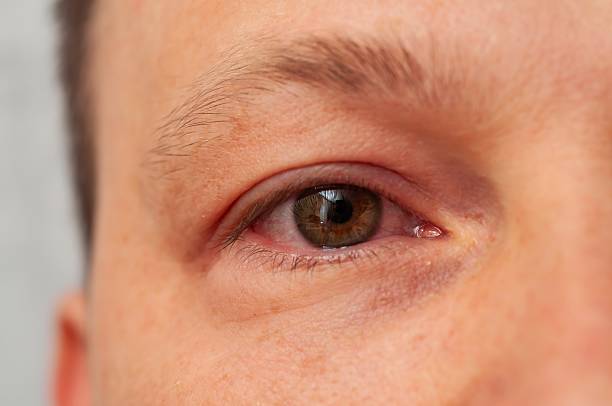
Dry Eye or Eye Allergies? How Cincinnati Patients Can Tell the Difference
Watery, Burning, or Itchy Eyes? It May Not Be “Just Allergies”
Cincinnati summers can be tough on the eyes. Pollen, humidity, air conditioning, outdoor activities, and long hours on digital devices can all contribute to redness, watering, itching, and irritation.
Many people assume these symptoms are caused by seasonal allergies. However, dry eye disease can produce surprisingly similar symptoms—and some patients experience both conditions at the same time.
Understanding the difference matters because the treatment that helps one condition may not fully address the other. At See Well Eyecare, we evaluate the entire surface of the eye to determine what may be contributing to your discomfort.
Dry Eye and Allergies Can Feel Similar
Dry eye develops when your eyes do not produce enough tears or when your tears evaporate too quickly. Although the name suggests that your eyes should feel dry, excessive watering is also a common symptom.
When the surface of the eye becomes irritated, the body may respond by producing a rush of watery tears. These reflex tears can make your eyes run, but they may not contain the balanced oils and moisture needed to provide lasting comfort.
Common Dry Eye Symptoms:
Burning or stinging
A gritty or sandy sensation
Fluctuating or blurry vision
Redness
Sensitivity to light
Watery eyes
Discomfort while wearing contact lenses
Eyes that feel tired later in the day
Eye allergies occur when the immune system reacts to substances such as pollen, mold, dust, or pet dander. Allergic eye symptoms frequently include intense itching, redness, watering, and swelling around the eyelids.
The Most Helpful Clue: Itching
Although symptoms can overlap, itching is often one of the strongest clues that allergies are involved. Patients with eye allergies commonly describe a strong urge to rub their eyes.
Burning, fluctuating vision, and a gritty sensation are more frequently associated with dry eye. However, symptoms alone cannot always provide a definite answer. Allergies can destabilize the tear film, while dry eye can make the eyes more sensitive to environmental irritants.
That means a person can have allergic eye disease and dry eye at the same time.
Why Cincinnati Can Be Challenging for Sensitive Eyes
Living in Cincinnati exposes our eyes to changing weather and environmental conditions throughout the year. Seasonal pollen, mold, humidity, and temperature changes can all affect eye comfort.
Indoor environments may also contribute. Air conditioning can reduce humidity and increase tear evaporation. Ceiling fans and air vents that blow directly toward the face may make symptoms worse.
Other Common Contributors:
Extended computer and phone use
Reduced blinking while concentrating
Contact lens wear
Certain medications
Poor-quality or unstable tears
Eyelid inflammation
Oil-gland dysfunction along the eyelids
Because several factors may be involved, repeatedly trying different over-the-counter drops without an evaluation can become frustrating.
Can Screen Time Cause Dry Eye?
Screen use does not always cause dry eye by itself, but it can aggravate an existing problem.
People naturally blink less frequently when using computers, tablets, and phones. Some blinks may also be incomplete, preventing the eyelids from spreading the tear film evenly across the eyes.
This can lead to burning, watering, eye fatigue, and vision that becomes blurry after prolonged reading or computer work. Patients may notice that their vision briefly clears after blinking.
Taking regular visual breaks and positioning the screen slightly below eye level may help, but persistent symptoms deserve a closer look.
Why Rubbing Your Eyes Can Make Things Worse
Rubbing irritated eyes may provide temporary relief, especially when itching is caused by allergies. Unfortunately, frequent or forceful rubbing can increase inflammation and make the eyes feel even more irritated afterward.
Instead of rubbing, a cool compress may provide temporary relief for allergy-related itching and swelling. However, it is still important to identify the underlying cause, particularly when symptoms continue or interfere with work, school, driving, or contact lens wear.
Are Your Contact Lenses Becoming Less Comfortable?
Contact lens discomfort is often one of the first signs that the surface of the eye is not functioning optimally.
You may notice that your lenses feel comfortable in the morning but become dry, blurry, or irritating later in the day. You might also find yourself removing them earlier than you used to.
This does not necessarily mean you must stop wearing contact lenses. Lens material, replacement schedule, fit, wearing habits, allergies, and tear-film quality can all affect comfort.
A comprehensive contact lens exam allows your eye doctor to evaluate how the lenses interact with your eyes and determine whether another lens design or dry eye treatment plan may help.
How an Eye Doctor Evaluates Dry, Itchy, or Watery Eyes
A dry eye evaluation involves more than asking whether your eyes feel dry. Your optometrist may examine the eyelids, tear film, oil glands, and surface of the eyes while reviewing your symptoms, medications, environment, and daily habits.
Important Questions May Include:
Do your symptoms occur throughout the year or during a particular season?
Is itching, burning, or grittiness your main complaint?
Are symptoms worse indoors, outdoors, or while using a computer?
Does your vision fluctuate between blinks?
How long can you comfortably wear your contact lenses?
Do your eyes feel worse in the morning or later in the day?
These details help distinguish seasonal allergies from dry eye and identify cases in which both conditions may be present.
Treatment Should Match the Cause
Not every red or watery eye needs the same treatment. Depending on the examination findings, recommendations may include changes to your environment, adjustments to contact lens habits, specific lubricating drops, allergy management, eyelid care, or additional treatment for inflammation and tear-film instability.
The goal is not simply to recommend another bottle of artificial tears. It is to understand why your eyes are uncomfortable and develop a practical plan that fits your routine.
When Should You Schedule an Eye Examination?
Consider scheduling an evaluation if:
Your symptoms keep returning
Over-the-counter drops provide only temporary relief
Your contact lenses are becoming uncomfortable
Your vision fluctuates during the day
Your eyes regularly burn, itch, or water
Symptoms interfere with reading, computer use, or driving
You are unsure whether you have dry eye, allergies, or both
Note: Sudden pain, significant light sensitivity, reduced vision, injury, or severe redness should be evaluated promptly, as these symptoms may indicate something more serious than routine dryness or allergies.
Personalized Dry Eye Care in Hyde Park and Oakley
See Well Eyecare is an independent optometry practice conveniently located in Cincinnati’s Hyde Park neighborhood, between Hyde Park and Oakley.
Dr. Rawzi Baik provides personalized eye care for patients from Hyde Park, Oakley, Mount Lookout, Columbia-Tusculum, East Walnut Hills, Mariemont, Indian Hill, Madeira, and surrounding Cincinnati communities.
Whether your eyes feel dry, itchy, watery, or uncomfortable in contact lenses, we take time to understand your symptoms and explain what we find. Our approach is centered on education, individualized recommendations, and long-term eye health—not a one-size-fits-all solution.
Schedule Your Cincinnati Dry Eye Evaluation
You do not have to accept uncomfortable eyes as a normal part of allergy season, screen use, or contact lens wear.
Schedule an appointment with See Well Eyecare to determine whether dry eye, allergies, or a combination of factors may be contributing to your symptoms.
See well. Be well.
Meet Dr. Rawzi Baik
Dr. Rawzi Baik is the founder and optometrist at See Well Eyecare. An Ohio native, Dr. Baik grew up in the Dayton area and attended Centerville High School before earning his Doctor of Optometry degree from The Ohio State University College of Optometry in 2016.
Before opening See Well Eyecare, Dr. Baik gained experience caring for patients throughout Greater Cincinnati while working with Clarkson Eyecare, formerly Thoma & Sutton, the Cincinnati Eye Institute Foundation, and Midwest Eye Center.
These experiences allowed him to work with patients with a wide range of visual and medical eye-care needs. They also shaped his approach to private practice: listen carefully, explain findings clearly, and make personalized recommendations based on each patient’s eyes, lifestyle, and long-term health.
Dr. Baik founded See Well Eyecare to provide Cincinnati families with an independent, relationship-focused alternative for comprehensive eye exams, contact lens care, dry eye evaluations, medical eye care, and quality eyewear. His goal is for every patient to leave understanding their eyes and feeling confident about their care.
Personalized Dry Eye Care in Hyde Park and Oakley:
See Well Eyecare is an independent optometry practice conveniently located in Cincinnati’s Hyde Park neighborhood, between Hyde Park and Oakley.
Quick Links
Helpful Articles
All Eye Care Services
Eye care for every stage of life, from routine exams and contact lens fittings to dry eye care, myopia management and medical eye visits. Dr. Baik helps you understand your options and choose care that fits your needs.

Keep In Touch
For non-urgent questions or to learn more about our services, contact us today!

We are an LGBTQ+ friendly clinic that believes all people deserve quality eye care
- 3330 Erie Avenue, Suite 14
Cincinnati, OH 45208 - Phone: (513) 268-8748
- Fax: (513) 268-8758
- Monday 9:00am - 3:00pm
- Tuesday 8:00am - 7:00pm
- Wednesday Closed
- Thursday 8:00am - 5:00pm
- Friday 8:00am - 3:00pm
- Saturday 9:00am - 2:00pm
- Sunday Closed
- Monday
- Tuesday
- Wednesday
- Thursday
- Friday
- Saturday
- Sunday
- Monday
- Tuesday
- Wednesday
- Thursday
- Friday
- Saturday
- Sunday
© 2026 See Well Eyecare. All rights Reserved - Accessibility Statement - Privacy Policy - Terms & Conditions - Sitemap
Managed and Designed by 