
Red, Painful or Light-Sensitive Eye? A Cincinnati Guide for Contact Lens Wearers
Red, Painful or Light-Sensitive Eye? A Cincinnati Guide for Contact Lens Wearers
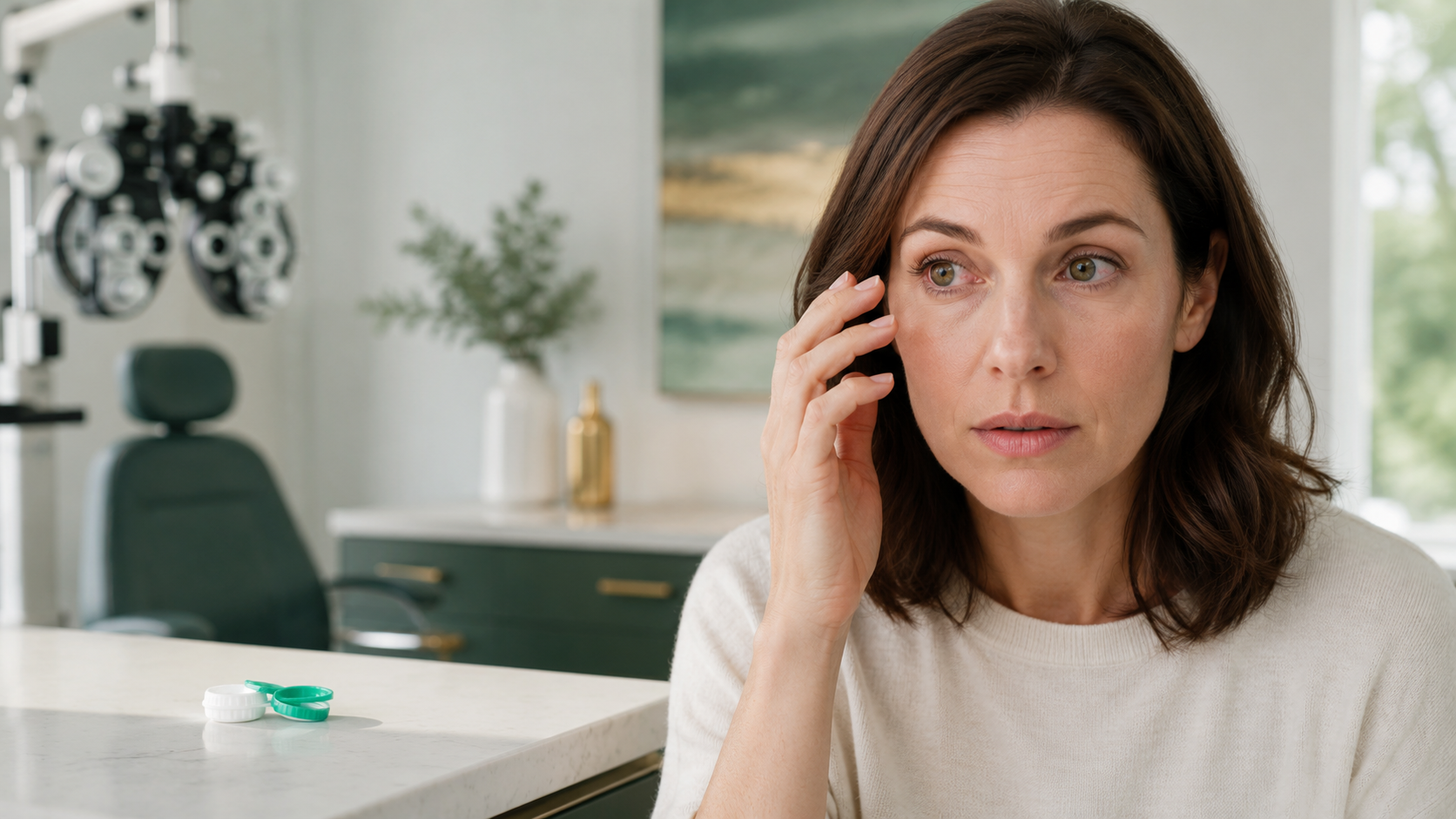
Contact lenses should help you move through work, school, exercise and social plans with clear, comfortable vision. When an eye becomes red, painful, unusually watery or sensitive to light, the dream outcome is not simply getting back into your lenses as quickly as possible. It is protecting the health of the eye, identifying the cause and returning to comfortable wear safely.
Many red eyes are caused by irritation, dryness or allergy. In a contact lens wearer, however, redness can also be an early sign of inflammation or a corneal infection. Those problems can look similar at home but require very different treatment.
That is why a contact lens wearer with pain, light sensitivity or a change in vision should not assume the problem is “just pink eye.” Remove the lens and contact an eye doctor promptly.
At See Well Eyecare, Dr. Rawzi Baik provides medical eye care for patients in Cincinnati, including Hyde Park (45208), Oakley (45209), Mount Lookout, Mariemont and nearby communities. A focused medical eye examination can help distinguish surface irritation from a condition that requires urgent treatment or referral.
First: Remove the Contact Lens
If an eye becomes red, painful, light-sensitive or noticeably blurry while wearing a contact lens:
Remove the lens.
Do not put the lens back in to “see if it feels better.”
Do not wear a contact lens in the other eye if symptoms suggest infection or if your eye doctor advises against it.
Keep lenses away from tap water, swimming pools, hot tubs and showers.
Do not use leftover antibiotic, redness-relief or steroid eye drops unless a clinician who has examined the eye specifically directs you to use them.
Contact an eye doctor promptly, especially when pain, light sensitivity, discharge or reduced vision is present.
The Centers for Disease Control and Prevention’s guidance on contact lens–related eye infections identifies worsening pain, light sensitivity, sudden blurry vision, unusual watering or discharge, and an irritated red eye as symptoms that warrant lens removal and immediate contact with an eye doctor.
If the office is closed and symptoms are severe, rapidly worsening, associated with an injury or chemical exposure, or accompanied by a significant loss of vision, seek appropriate emergency care rather than waiting for a routine appointment.
Why a Red Eye Is Different When You Wear Contacts
A contact lens rests directly on the cornea, the clear front surface of the eye. A properly fitted lens worn with healthy habits can be an excellent form of vision correction. But overwear, sleeping in lenses, water exposure, poor hand hygiene, a damaged lens, deposits or an unhealthy ocular surface can increase the risk of complications.
The same symptom—redness—can arise from very different problems:
Dryness or friction
Seasonal allergy
Sensitivity to a solution or product
Contact lens overwear
A tight, poorly fitting or damaged lens
Giant papillary conjunctivitis
Viral or bacterial conjunctivitis
A corneal abrasion
A sterile corneal infiltrate
Microbial keratitis or a corneal ulcer
Inflammation inside the eye, such as anterior uveitis
You cannot reliably separate all of these by looking in a mirror. Pain level, vision, light sensitivity, discharge, corneal staining, the location and depth of inflammation, and other examination findings help guide the diagnosis.
Common Causes of Contact Lens Red Eye
Dryness, Friction and Overwear
An eye may become dry or irritated after a long screen-heavy day, extended lens wear, air travel, exposure to heating or air conditioning, or wearing a lens beyond its intended replacement schedule. Symptoms may include burning, fluctuating vision, mild redness and the urge to remove the lens early.
Even apparently mild irritation deserves attention if it keeps returning. The solution may involve changing wearing time, addressing dry eye or eyelid inflammation, improving lens care, or refitting the lens—not simply switching brands at random.
Allergy and Giant Papillary Conjunctivitis
Allergic conjunctivitis often causes itching, watering and redness. Contact lens deposits and mechanical interaction beneath the upper eyelid can also contribute to giant papillary conjunctivitis, sometimes called GPC. Patients may notice itching, mucus, awareness of the lens, excessive movement or a lens that no longer stays comfortably centered.
Treatment depends on the cause and severity. It may include temporarily stopping lens wear, changing the replacement schedule or lens material, improving deposit control, treating allergy and reassessing the fit.
Viral or Bacterial Conjunctivitis
“Pink eye” is a broad term for conjunctival inflammation. Viral, bacterial and allergic conjunctivitis can overlap in appearance, yet they do not all benefit from antibiotics. A contact lens wearer also needs the cornea examined because a more serious corneal process may initially resemble conjunctivitis.
Corneal Abrasion
A torn lens, trapped particle, fingernail or other minor trauma can scratch the corneal surface. Abrasions often cause sharp pain, tearing, foreign-body sensation and light sensitivity. Contact lens wear should stop until the cornea has been evaluated and healed.
Corneal Infiltrate, Keratitis or Corneal Ulcer
Keratitis means inflammation of the cornea. Some infiltrates are inflammatory rather than infectious, while microbial keratitis is caused by organisms such as bacteria, fungi or parasites. A corneal ulcer can threaten vision if treatment is delayed.
Warning signs may include:
Increasing pain, especially after the lens is removed
Moderate or severe light sensitivity
Blurred or reduced vision
A focal white or gray spot on the cornea
Marked redness around the colored part of the eye
Significant tearing or discharge
Symptoms that worsen rather than settle after lens removal
Do not wait for every warning sign to appear. A small corneal lesion can still be important, and severity cannot be judged from discomfort alone.
Habits That Increase Risk
Contact lens complications do not always result from one obvious mistake. Risk can accumulate through small habits:
Sleeping or napping in lenses not specifically prescribed for overnight wear
Wearing daily disposable lenses more than once
Stretching two-week or monthly lenses beyond their replacement schedule
Topping off old solution instead of using fresh solution
Handling lenses before washing and thoroughly drying hands
Showering or swimming in contacts
Rinsing lenses or cases with tap water
Using saliva to wet a lens
Keeping an old or visibly unclean storage case
Wearing contacts through redness, pain or illness
Skipping recommended contact lens evaluations
Daily disposable lenses remove the need for a storage case and cleaning solution, which can reduce several opportunities for care-related error. They still require clean, dry hands, appropriate wearing time and a professional fit.
What Happens During a Medical Red-Eye Examination?
The visit is designed to answer a different question from a routine prescription renewal: what is causing the red eye, and what needs to happen now?
Symptom and Contact Lens History
Dr. Baik will ask when the symptoms began, whether one or both eyes are involved, whether the lens was slept in or exposed to water, how the lenses are replaced and cleaned, and whether vision or light sensitivity has changed. Bring the lens packaging, solution name and any drops you have used when practical.
Vision Testing
Checking each eye separately helps reveal whether the problem is causing a meaningful change in vision.
Slit-Lamp Examination
The slit lamp provides a magnified view of the eyelids, conjunctiva, tear film, contact lens relationship and cornea. Fluorescein dye may be used to highlight an abrasion, epithelial defect or pattern of surface damage. The upper eyelid may be everted when allergy or GPC is suspected.
Additional Testing or Referral When Needed
Eye pressure, pupil testing, dilation, culture or referral may be appropriate depending on the findings. See Well Eyecare manages medical eye concerns within the scope of the practice and coordinates urgent ophthalmology or emergency referral when a problem requires a higher level of care.
Treatment Depends on the Diagnosis
There is no single “red-eye drop” that is right for every contact lens wearer.
Management may include a temporary break from contact lenses, preservative-free lubrication, allergy treatment, changes in lens care or fit, prescription medication, closer follow-up or urgent referral. Suspected infection may require prompt antimicrobial treatment and repeat examinations to confirm that the eye is responding.
Supportive dry-eye or allergy products—including selected OPTASE products—may be useful after the cause is identified. They should not delay evaluation of a painful, light-sensitive or blurry red eye, and they do not replace treatment for a corneal infection.
Steroid-containing eye drops are especially important not to self-start. They can worsen or mask certain infections and should be used only under appropriate clinical supervision.
When Can You Wear Contacts Again?
The safest answer depends on the diagnosis. “It looks less red” is not always the same as “the cornea has healed.”
Before resuming wear, the eye may need to be symptom-free and show adequate healing on examination. You may also need a new pair of lenses, a new storage case, revised care products or a refitting. If an infection is suspected, follow the clinician’s instructions about whether to discard or retain the involved lenses and case.
Returning too quickly can restart irritation, delay healing or complicate treatment. The goal is a safe return to comfortable vision—not the earliest possible return at any cost.
Frequently Asked Questions
Is a red eye from contacts always an infection?
No. Dryness, allergy, overwear, lens deposits and fit problems can all cause redness. Because infection and noninfectious inflammation can overlap in appearance, pain, light sensitivity, discharge or reduced vision should be examined promptly.
Can I use an over-the-counter redness-relief drop?
Redness-relief drops may temporarily change the appearance of the eye without treating the cause. In a symptomatic contact lens wearer, that can create false reassurance. Remove the lens and obtain guidance based on your symptoms and examination findings.
Should I go to urgent care or an eye doctor for contact lens pain?
An eye doctor has the equipment to examine the cornea at high magnification and assess contact lens–related complications. Contact an eye doctor promptly. For severe symptoms, major vision loss, chemical exposure or trauma—especially when an eye doctor is not available—seek appropriate emergency care.
Can I wear glasses until the eye feels better?
Yes, glasses are generally the appropriate vision correction while contact lens wear is paused. Do not resume contacts solely because symptoms seem improved; follow the plan given after your evaluation.
Where can I have a red contact-lens eye evaluated near Hyde Park or Oakley?
See Well Eyecare provides medical eye care at 3330 Erie Avenue, Suite 14, in Hyde Park, minutes from Oakley and Mount Lookout. Call the office so the team can understand the symptoms and advise whether an in-office evaluation or a higher level of urgent care is appropriate. Appointment availability varies, and severe symptoms should not wait.
Contact See Well Eyecare Promptly for a Painful Red Eye
If you wear contacts and develop redness with pain, light sensitivity, discharge or changing vision, remove the lens and contact See Well Eyecare promptly. Dr. Rawzi Baik will determine which examination and next step are appropriate. Do not use a routine online appointment request as a substitute for timely care when symptoms may be urgent.
Our Hyde Park location is convenient for patients searching for a medical eye doctor near Oakley, Mount Lookout, Mariemont, Madisonville and surrounding Cincinnati neighborhoods.
About See Well Eyecare
See Well Eyecare is an independent optometry and optical practice led by Dr. Rawzi Baik at 3330 Erie Avenue, Suite 14, Cincinnati, Ohio 45208. We care for patients ages 4 and older and provide comprehensive examinations, medical and emergency eye care, contact lens evaluations, dry-eye care, myopia management and personalized optical services.
The practice combines careful examination, modern diagnostic tools and clear explanations so patients understand what was found and what should happen next.
Explore Hyde Park & Oakley
See Well Eyecare sits on Erie Avenue between Hyde Park Square and Hyde Park Plaza, close to the Oakley and Mount Lookout communities. Free patient parking behind the building helps make follow-up visits more manageable when an eye condition needs to be rechecked.
Hyde Park and Oakley are connected by familiar local destinations, including Wasson Way, Hyde Park Square, Oakley Square and the Madison Road corridor. Patients coming from either neighborhood can reach the practice without navigating a large hospital campus.
Quick Links
Helpful Articles
All Eye Care Services
Eye care for every stage of life, from routine exams and contact lens fittings to dry eye care, myopia management and medical eye visits. Dr. Baik helps you understand your options and choose care that fits your needs.

Keep In Touch
For non-urgent questions or to learn more about our services, contact us today!

We are an LGBTQ+ friendly clinic that believes all people deserve quality eye care
- 3330 Erie Avenue, Suite 14
Cincinnati, OH 45208 - Phone: (513) 268-8748
- Fax: (513) 268-8758
- Monday 9:00am - 3:00pm
- Tuesday 8:00am - 7:00pm
- Wednesday Closed
- Thursday 8:00am - 5:00pm
- Friday 8:00am - 3:00pm
- Saturday 9:00am - 2:00pm
- Sunday Closed
- Monday
- Tuesday
- Wednesday
- Thursday
- Friday
- Saturday
- Sunday
- Monday
- Tuesday
- Wednesday
- Thursday
- Friday
- Saturday
- Sunday
© 2026 See Well Eyecare. All rights Reserved - Accessibility Statement - Privacy Policy - Terms & Conditions - Sitemap
Managed and Designed by 