
Sudden Vision Changes Can Be a Stroke Warning: When Cincinnati Patients Should Call 911
Sudden Vision Changes Can Be a Stroke Warning: When Cincinnati Patients Should Call 911
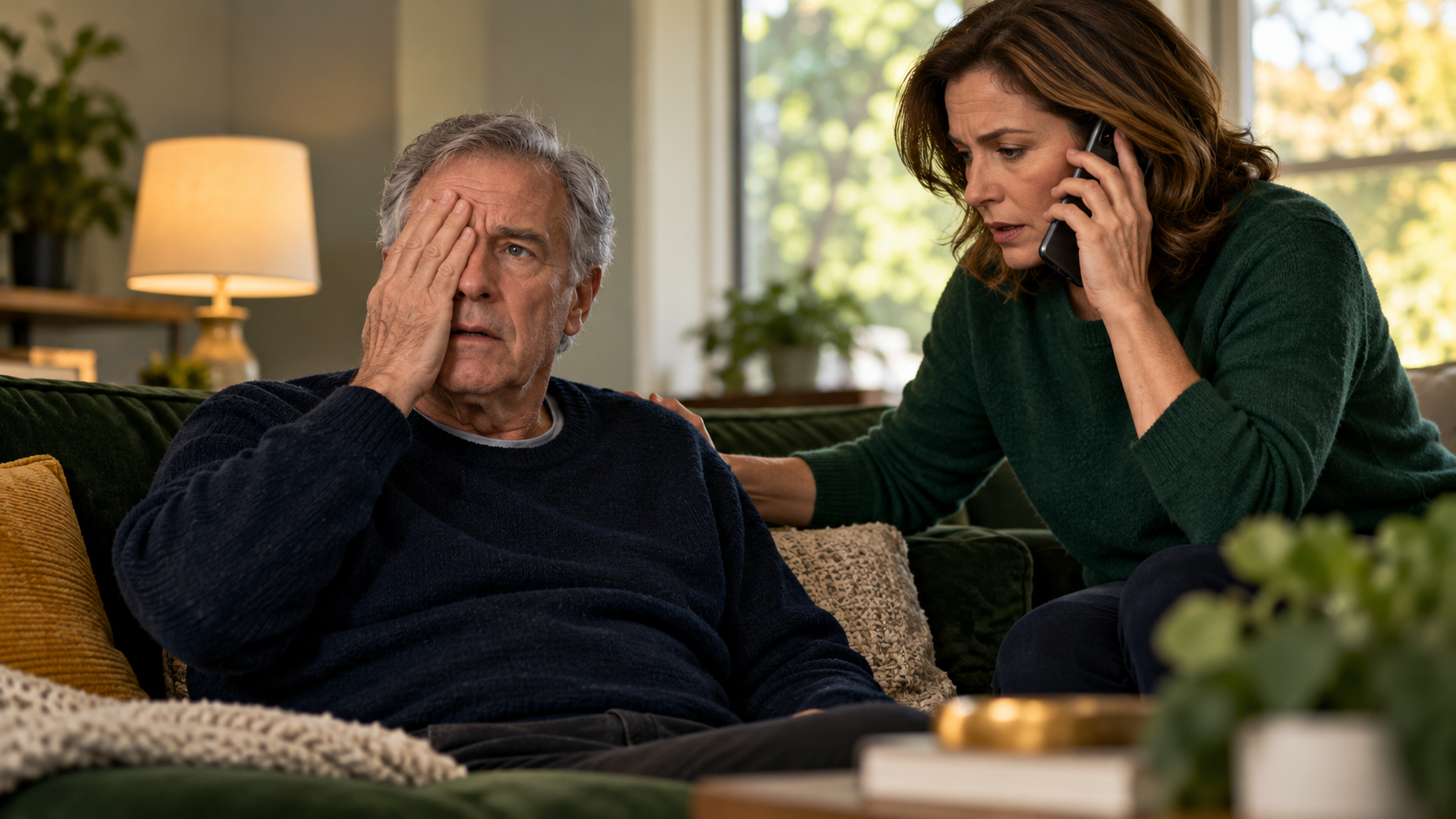
Vision changes may begin in the eye, the optic nerve or the brain. When blur, double vision, a missing visual field or vision loss begins suddenly—especially with imbalance, facial droop, arm weakness or speech difficulty—it may be a stroke.
For sudden vision changes and stroke in Cincinnati, the safest rule is simple: call 911 when the symptom is sudden and neurologic. Do not drive yourself, wait for the office to open or see whether it passes.
Remember B.E. F.A.S.T.
The American Stroke Association’s B.E. F.A.S.T. guidance highlights:
- B — Balance loss
- E — Eye or vision change
- F — Face drooping
- A — Arm weakness
- S — Speech difficulty
- T — Time to call 911
The CDC’s stroke warning signs include sudden trouble seeing, walking, speaking or understanding, sudden weakness or numbness and sudden severe headache.
What Can a Stroke-Related Vision Change Feel Like?
Possible symptoms include:
- sudden loss of vision in one eye;
- sudden blur or double vision;
- loss of one side of the visual field;
- difficulty moving the eyes together;
- new imbalance or disorientation; or
- visual change with face, arm or speech symptoms.
The American Stroke Association’s eye-change resource notes that stroke-related symptoms may involve one or both eyes and can include blur, double vision or temporary or complete vision loss.
If It Improves, It Is Still an Emergency
A transient ischemic attack can cause symptoms that resolve. That does not make it safe to stay home. The CDC explains that a TIA requires emergency care because there is no reliable way at onset to know whether symptoms represent a TIA or a larger stroke.
Call 911 and note the time the person was last known well. Emergency medical services can begin assessment during transport and alert the hospital.
Some Sudden Vision Problems Are Eye Emergencies Instead
A retinal tear or detachment may cause flashes, a sudden shower of floaters or a curtain over vision. Acute glaucoma may cause severe eye pain, halos, headache, nausea and redness. A retinal artery blockage can cause sudden painless vision loss and also requires an emergency stroke evaluation.
See Well’s eye-emergency guide helps patients recognize urgent eye symptoms, and our article on new flashes and floaters explains retinal warning signs. The AAO’s detached-retina guidance advises immediate examination for sudden flashes, floaters or a shadow.
The destination depends on the symptom. Stroke signs, major trauma, chemical burns after irrigation and severe sudden vision loss belong in emergency care. A same-day eye examination may be appropriate for other urgent symptoms when no stroke or life-threatening sign is present.
Do Not Lose Time Trying to Self-Diagnose
Migraine aura can cause visual symptoms, but a new or unusual episode should not be assumed to be migraine—especially with neurologic changes. The emergency team can evaluate the dangerous possibilities first.
After hospital care, Dr. Baik can help with follow-up eye findings, visual-field testing, glasses or referral as directed. A comprehensive eye examination is for ongoing care, not a substitute for 911 during an active stroke warning.
Explore Hyde Park & Nearby Neighborhoods
See Well Eyecare serves Hyde Park (45208), Oakley (45209), Walnut Hills (45207), Mount Lookout and surrounding Cincinnati communities. The practice can support follow-up, but emergency symptoms should go directly to emergency medical services.
Local Events & Attractions | Jazz at the Park on October 26
The Visit Cincy event calendar lists Jazz at the Park on October 26. Sudden imbalance or vision loss at a public event is not something to “walk off.” Ask someone nearby to call 911 and record when symptoms began.
Frequently Asked Questions
Can a stroke affect only vision?
Yes. A stroke or retinal artery blockage may present primarily as sudden visual loss or a visual-field defect. Treat sudden loss as an emergency.
What if double vision goes away after ten minutes?
Sudden temporary neurologic symptoms may represent a TIA. Call 911 rather than waiting for recurrence.
Should I call the eye doctor first?
Call 911 first when there are stroke signs, severe sudden vision loss or other life-threatening symptoms. Office staff should not delay emergency transport.
Is migraine aura always harmless?
No visual symptom should be labeled migraine for the first time without appropriate evaluation. New, atypical or neurologic symptoms need urgent medical assessment.
Can I drive to the hospital?
Do not drive yourself. EMS can monitor you, begin care and take you to an appropriate facility.
For Active Stroke Signs, Call 911 Now
For non-emergency follow-up after the hospital or for a stable visual concern, request an appointment. If symptoms are happening now and B.E. F.A.S.T. applies, stop reading and call 911.
About the Author
Dr. Rawzi Baik is the owner and optometrist at See Well Eyecare in Hyde Park. He earned his Doctor of Optometry degree from The Ohio State University and provides comprehensive and medical eye care with clear emergency triage, coordinated referral and patient-centered follow-up.
Primary keyword: sudden vision changes stroke Cincinnati
Supporting keywords: stroke vision symptoms, sudden double vision emergency, vision loss Cincinnati, B.E. F.A.S.T. eyes, emergency eye care Hyde Park
Quick Links
Helpful Articles
All Eye Care Services
Eye care for every stage of life, from routine exams and contact lens fittings to dry eye care, myopia management and medical eye visits. Dr. Baik helps you understand your options and choose care that fits your needs.

Keep In Touch
For non-urgent questions or to learn more about our services, contact us today!

We are an LGBTQ+ friendly clinic that believes all people deserve quality eye care
- 3330 Erie Avenue, Suite 14
Cincinnati, OH 45208 - Phone: (513) 268-8748
- Fax: (513) 268-8758
- Monday 9:00am - 3:00pm
- Tuesday 8:00am - 7:00pm
- Wednesday Closed
- Thursday 8:00am - 5:00pm
- Friday 7:00am - 3:00pm
- Saturday 8:00am - 2:00pm
- Sunday Closed
- Monday
- Tuesday
- Wednesday
- Thursday
- Friday
- Saturday
- Sunday
- Monday
- Tuesday
- Wednesday
- Thursday
- Friday
- Saturday
- Sunday
© 2026 See Well Eyecare. All rights Reserved - Accessibility Statement - Privacy Policy - Terms & Conditions - Sitemap
Managed and Designed by 